The Importance of Commercial Metal Roof Coatings for Long-Term Durability and Safety
Various environmental elements pose risks to the structural integrity of commercial building facilities. For businesses demanding robust protection and longevity, metal roof coatings constitute an indispensable investment. These coatings not only shield against UV rays and moisture but also enhance energy efficiency. Recognizing the precise advantages they deliver is vital for arriving at well-informed conclusions. Which criteria should business decision-makers analyze when appraising potential solutions? The responses might substantially affect near-term financial outlays and extended sustainability performance.
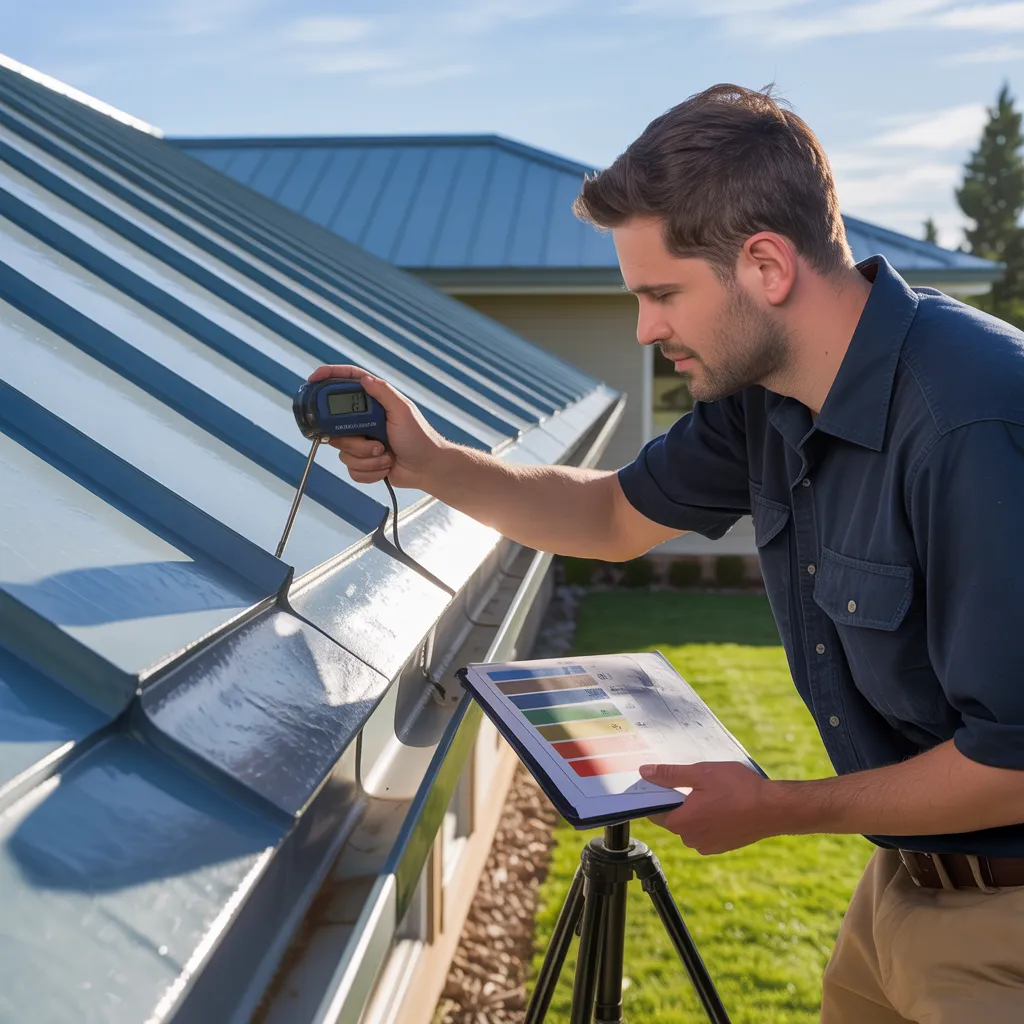
The Importance of Metal Roof Coatings for Commercial Properties
Metal roof coatings serve a vital function in boosting the lifespan and efficiency of commercial buildings. These coatings act as a protective barrier, guarding the roof from environmental conditions that could result in deterioration. By reflecting sunlight and reducing heat absorption, metal roof coatings support energy efficiency, minimizing cooling costs for businesses. The application of a quality coating can also lessen the effects of UV radiation, therefore limiting wear and tear on the metal surface.
Furthermore, metal roof coatings improve the aesthetic appeal of commercial buildings, delivering a selection of colors and finishes that can enhance the overall design. Regular maintenance and recoating can even more extend the life of the roof, making it a budget-friendly solution in the long run. Eventually, investing in metal roof coatings is a strategic decision for businesses aiming to protect their assets and maintain operational efficiency.
How Metal Roof Coatings Protect Against Common Threats
Metal roof coatings offer crucial protection from diverse environmental hazards. They successfully withstand UV radiation, stop moisture penetration and leaks, and assist in controlling temperature variations. These attributes support the lifespan and performance of commercial metal roofing systems.
Protection Against UV Radiation
Even though UV radiation is a widespread danger to roofing materials, purpose-built coatings for commercial metal roofs offer robust protection. These coatings are designed to reflect harmful UV rays, limiting heat absorption and decreasing the risk of thermal degradation. By integrating advanced polymers and reflective pigments, these coatings improve the roof's durability, preventing premature fading and discoloration. This resistance to UV radiation not only prolongs the lifespan of the metal roof but also contributes to energy efficiency by keeping indoor temperatures constant. In addition, the protective layer helps sustain the structural integrity of the roof, minimizing the likelihood of damage over time. All in all, investing in UV-resistant coatings is vital for ensuring enduring performance and reliability in commercial roofing.
Water and Leak Prevention
Effective moisture regulation is vital for maintaining the integrity of commercial roofs, and specialized coatings play a key role in this aspect. Metal roof coatings form a seamless barrier that prevents water infiltration, which significantly reduces the risk of leaks. These coatings are designed to repel moisture, making certain that water does not accumulate on the roof surface. Moreover, they can fill small cracks and imperfections, further enhancing the roof's waterproofing capabilities. By preventing moisture penetration, these coatings help protect underlying structures from potential damage caused by mold, corrosion, and deterioration. This proactive approach to leak prevention not only prolongs the lifespan of the roof but also minimizes costly repairs, making metal roof coatings a vital investment for commercial properties.
Advantages of Temperature Control
Temperature control is a vital element in the performance of commercial metal roofs, and specialized coatings offer significant advantages in this area. These coatings enhance the reflective properties of metal roofs, limiting heat absorption during warmer weather. By redirecting solar energy, they help keep cooler interior temperatures, decreasing the demand for air conditioning and reducing energy costs. In contrast, during colder months, select coatings can offer insulation benefits, helping to maintain heat within the building. This two-fold functionality not only boosts energy efficiency but also prolongs roof lifespan by mitigating thermal expansion and contraction. Eventually, effective temperature regulation through metal roof coatings leads to a more comfortable indoor environment while defending the roof from frequent thermal-related issues.
Electrical Efficiency: How Metal Roof Coatings Decrease Energy Bills
How do metal roof coatings greatly impact energy costs? Metal roof coatings improve energy efficiency by reflecting solar radiation, thereby reducing heat absorption. This reflective property maintains buildings cooler during warm months, leading to lower reliance on air conditioning systems. As a result, businesses experience significant reductions in energy bills.
Moreover, these protective layers help maintain consistent indoor temperatures, decreasing the requirement for heating during colder seasons. By boosting overall thermal performance, metal roof coatings lead to a more balanced environment within the property. This stability converts into further energy savings over time.
Furthermore, the extended lifespan of metal roofs, coupled with their energy-efficient coatings, can bring about minimized operational costs. As view information about businesses continually focus on sustainability, the use of energy-efficient coatings fits with environmentally responsible practices. On the whole, investing in metal roof coatings not only enhances the building's lifespan but also greatly decreases energy expenses, making it a wise choice for property owners.
Cost Reductions: Lesser Maintenance Expenditures
While most property owners emphasize initial installation costs, metal roof coatings substantially lower long-term maintenance expenses. These coatings serve as a protective barrier, protecting the underlying metal from extreme weather conditions, UV radiation, and corrosive elements. This protection decreases the risk of rust and deterioration, which can cause costly repairs or premature roof replacement.
Furthermore, with minimized wear and tear, the frequency of maintenance inspections and small repairs declines. Several businesses realize that their overall upkeep costs reduce significantly after applying a quality metal roof coating. Furthermore, these coatings can extend the roof's lifespan, further contributing to savings by deferring the need for a new roof installation. By investing in metal roof coatings, property owners not only safeguard their investments but also realize lower maintenance expenses, making it a financially sound choice for long-term sustainability.
Choosing the Perfect Roof Coating for Your Commercial Property
Selecting the perfect roof coating for a commercial property can significantly affect its durability and performance. To begin, it is essential to evaluate the particular needs of the building, including climate conditions, roof slope, and exposure to UV rays. Various coatings, such as acrylic, silicone, or polyurethane, deliver diverse levels of durability and protection against moisture and weather elements.
Subsequently, assess the coating's reflective properties and energy efficiency ratings, as these aspects can affect cooling costs and overall energy consumption. Furthermore, assess the manufacturer's warranty and the coating's lifespan to secure long-term value.
It is also important to review the application process, as some coatings demand professional installation while others can be applied as a DIY project. Lastly, budget constraints should be taken into account, balancing upfront costs against potential long-term savings in maintenance and energy bills. Making an informed choice can produce enhanced performance and reduced expenses.
Top Tips for Metal Roof Coating Maintenance
After choosing the proper roof coating, keeping its integrity becomes critical for maximizing its benefits. Scheduled inspections should be performed at least biannually to spot any traces of wear, damage, or degradation. Cleaning the roof surface is critical; debris, dirt, and algae can diminish the coating's effectiveness. Using a soft brush and mild detergent guarantees the surface remains clean without causing damage.
Furthermore, any problems such as surface damage should be addressed promptly with sealant or touch-up paint to avert further deterioration. Checking proper drainage is also vital; obstructed drainage systems can create water accumulation, which may damage the coating over time. Finally, consulting with a professional for routine maintenance checks can supply valuable insights and assist in increase the life of the roof coating. Applying these best practices will confirm the metal roof remains protected and performs at its best for years to come.
Common Questions
How Long Do Metal Roof Coatings Generally Last?
Metal roof coatings typically last between ten to twenty years, contingent upon factors including the grade of the coating, application methods, and environmental factors. Regular maintenance can considerably extend their longevity.
Do Specific Coatings Exist for Different Metal Types?
Yes, specific coatings are designed for different metal types, like galvanized steel, aluminum, and copper. Each coating is formulated to address distinct characteristics and environmental elements, providing ideal adhesion, protection, and longevity customized for the metal's properties.
Can Coatings Be Applied When Conditions Are Wet?
Surface coatings usually require drought-like conditions for proper adhesion and performance. Installing them in humid circumstances can cause adhesion issues, undermining the coating's efficacy and service life, consequently compromising the safeguarding and longevity of the metal surface.
What Does the Roof Coating Installation Process Involve?
The roof coating installation process includes preparing and cleaning the surface, primer application where necessary, and then applying the coating evenly through the use of brushes, rollers, or spraying tools. Adequate curing time is critical for optimal adhesion and performance.
How Do I Know When to Reapply the Coating?
Reapplication of roof coatings is necessary when wear indicators become visible, such as fading, cracking, or peeling. Routine inspections conducted every few years can aid in identifying the optimal timing for reapplication, maintaining continued protection and performance.